
Give your body a few minutes to recoup before lifting the shake to your lips. Once a recovering alcoholic has completely detoxed, tremors will usually resolve. However, long-term alcohol abuse can cause brain, nerve, and liver damage, which may result in permanent tremors. If those shakes are sticking around longer than expected, it’s time to pay attention. If they persist beyond that or if they’re particularly intense and interfering with your daily activities, it’s a good idea to see a doctor.
The Most Telling Signs and Symptoms of Methamphetamine Use
Delirium tremens can result in seizures and, in rare cases, can be fatal. It is often caused by reducing or stopping alcohol intake after a period of heavy drinking. Immediate medical care is necessary for individuals experiencing delirium tremens 2. Experiencing shaking and sweating after consuming alcohol can be concerning and may leave you wondering about the underlying causes. Several factors can contribute to these symptoms, ranging from the effects of alcohol on the body to various health conditions. Understanding these causes and symptoms can provide insights into why shaking and sweating occur after drinking.
How Many Beers in a Stein: Understanding Stein Sizes for an Enhanced Beer Experience
Individual sensitivity to caffeine varies; some people metabolize it quickly while others do not. Slow metabolizers are more prone to experiencing jitters, even with small amounts of caffeine. Residential treatment requires people to live in the facility full time, with around-the-clock supervision. Here, professionals aid people who are detoxing using medications and therapies.
Alcohol-Induced Brain Damage
- Hangover shakes are a common reminder that you might have overdone it the night before.
- This can make your blood pressure drop, causing exhaustion and weakness after drinking alcohol.
Additionally, eating a meal can help to slow the absorption of alcohol, which can help to prevent hypothermia and dehydration. Shaking after drinking is a clear signal from your body that alcohol is having a negative impact. It’s strongly advised to seek professional help if you or someone you know is experiencing these symptoms. There are many resources and treatment options available to help manage and overcome alcohol misuse. Alcohol shakes and tremors can be hangover symptoms but are usually caused by dehydration, not alcohol withdrawal.
The Mayo Clinic warns that drinking protein shakes daily, on top of your regular diet, may lead to the intake of way too many calories, likely causing weight gain. Certain protein powders are high in sugar, or even scary chemicals, according to Harvard Health, which will also be detrimental to your fitness goals. In short, if you drink a protein shake on a rest day, or a day when you’re doing why do i shake after drinking less than you might usually do, there’s no need to worry about any adverse effects.
Immediate Health Risks
Unlike withdrawal tremors that resolve with abstinence, cerebellar damage causes intention tremors that worsen when you try to perform purposeful movements. This type indicates chronic alcohol use has caused structural brain damage. Your nervous system runs on delicate chemical balances that alcohol disrupts in powerful ways. When you drink regularly, your brain adapts by changing how it produces neurotransmitters like GABA and glutamate. Alcohol artificially boosts GABA effects while suppressing glutamate. Packed with protein, and often with decadent ingredients like peanut butter and chocolate, protein shakes Sober living house can be surprisingly high in calories.

Understanding Shaking After Drinking
These shaking or trembling sensations are often accompanied by other unpleasant symptoms. Understanding the causes and treatments of hangover shakes is essential for alleviating discomfort and promoting recovery. The short answer is that shakiness after drinking is usually the result of withdrawal from alcohol. Withdrawal symptoms can occur the morning after drinking, but shaking is most likely to occur when someone who drinks heavily stops using alcohol. Many individuals who drink heavily will experience alcohol shakes, also known as tremors either during a hangover or as part of withdrawal.
One of the significant risk factors of binge drinking and heart disease is high blood pressure. When you drink too much, it can also lead to weight increase, which is an added risk factor for heart problems. When alcohol is present, the liver prioritizes metabolizing it, which can suppress its ability to release stored glucose into the bloodstream. This can lead to a drop in blood sugar levels, known as hypoglycemia.
- Alcohol can cause you to have an unsettled or broken sleep, which can exacerbate hangover symptoms and add to tiredness, brain fog, and feeling low.
- Another factor contributing to shaking after drinking is alcohol withdrawal.
- Depending on the severity of the symptoms, the individual may require medical supervision and treatment with medications.
If you like to use coffee creamers, be sure to choose a healthy one. By giving your body a huge rush of energy while also preventing the feeling of fatigue, you raise your risk of getting coffee jitters. When you’re using a lot of energy, your body produces a hormone called adenosine which causes you to feel fatigued. Caffeine binds with your adenosine https://ecosoberhouse.com/ receptors, preventing you from feeling tired. This effect reaches its maximum minutes after drinking coffee, but doesn’t fully stop for up to 6 hours.
However, if you implement the techniques above, your caffeine side effects should hopefully pass within a few hours. If you’re experiencing any of the mentioned symptoms for prolonged periods, this could signify a different underlying cause. If this applies to you, it’s recommended to seek out the professional opinion of your doctor. The best way to stop alcohol shakes is to detox from alcohol and break alcohol dependency. Understanding these factors can help individuals seeking addiction treatment, rehab, and mental health services in Columbus, Ohio, make informed decisions about their treatment options. It is crucial to seek professional help when dealing with alcohol shakes, as they can be a sign of a serious health condition.
Excessive alcohol consumption can lead to severe hangover symptoms, including shakes. Hangover shakes can be an alarming experience, especially when they arise unpredictably after alcohol consumption. These shakes can be a warning sign of more severe alcohol withdrawal symptoms, such as delirium tremens (DT), which can be life-threatening.
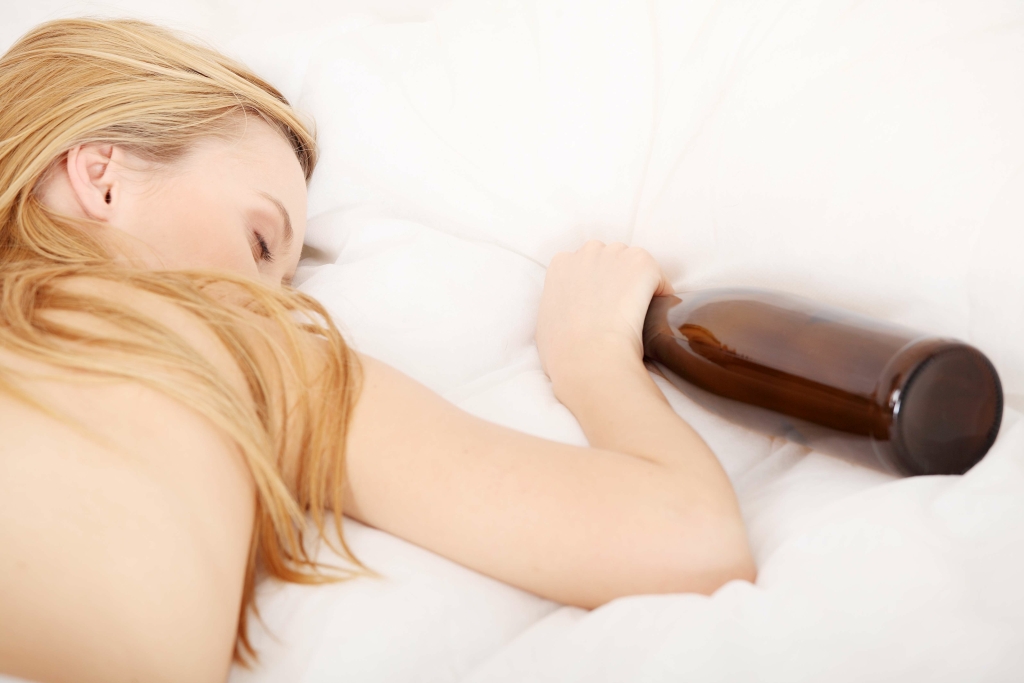
Ways to Get Rid of Coffee Jitters (Plus 5 Signs You Have Them)
Additionally, the body can become rapidly cooled when alcohol is mixed with cold drinks, such as soda or juice. The sudden change in temperature can cause the body to shiver in order to regulate its temperature. This is because alcohol affects the production of certain hormones that control body temperature. When alcohol is metabolized, it causes the body to produce less of the hormones that regulate our body temperature, leading to a decrease in body temperature and shivering. It is important to remember to drink responsibly and to stay hydrated to avoid this reaction.
